GET THE BEST TRAIN
TRAVEL OFFERS

ORDER A TRAIN TICKET
FAST AND EASY

CHOOSE HOW YOU
WANT TO PAY

Distance from Celle To Mannheim is 362 Kilometer

You will save the environment by 72% in terms of Carbon footprint if you travel between Celle to Mannheim by Trains and not by Airplane

You will save the environment by 61% in terms of Carbon footprint if you travel between Celle to Mannheim by Trains vs Cars

You can order Train Ticket ticket from Celle To Mannheim 3 Months ahead of your departure date

Save A Train is the first cheapest for all Train travel needs for leisure travelers and business travelers

You can pay for your train trip to Mannheim by these Payment terms Mastecard, Visa, American Express. Maestro creadits cards but aslo with the following alternative payment methodes: Paypal, Alipay, WeChat, Trustly, ideal, sofort and more.

Remember traveling by train is very scenic experience especially if you train travel between Celle and Mannheim, enjoy!
Thursday,
Jan 1
Mannheim
1°

Friday,
Jan 2
Mannheim
3°

Saturday,
Jan 3
Mannheim
-0°
Sunday,
Jan 4
Mannheim
-1°
Monday,
Jan 5
Mannheim
-1°
Tuesday,
Jan 6
Mannheim
-1°
SEE HOW YOUR TRAIN TRIP FROM Celle to Mannheim WILL LOOK LIKE

MORE IMPORTANT INFORMATION ABOUT YOUR TRAVEL TO Mannheim
The Train station is located at the center of Mannheim
Mannheim (German pronunciation: [ˈmanhaɪm]; Palatine German: Monnem or Mannem) is a city in the southwestern part of Germany, the third-largest in the German state of Baden-Württemberg after Stuttgart and Karlsruhe with a 2015 population of approximately 310,000 inhabitants. The city is at the centre of the larger densely populated Rhine-Neckar Metropolitan Region which has a population of 2,400,000 and is Germany's eighth-largest metropolitan region. Mannheim is located at the confluence of the Rhine and the Neckar in the northwestern corner of Baden-Württemberg. The Rhine separates Mannheim from the city of Ludwigshafen, just to the west of it in Rhineland-Palatinate, and the border of Baden-Württemberg with Hesse is just to the north. Mannheim is downstream along the Neckar from the city of Heidelberg. Mannheim is unusual among German cities in that its streets and avenues are laid out in a grid pattern, leading to its nickname "die Quadratestadt" ("The City of Squares"). The eighteenth century Mannheim Palace, former home of the Prince-elector of the Palatinate, now houses the University of Mannheim. The city is home to major corporations including Daimler, John Deere, Caterpillar, ABB, Fuchs Petrolub, IBM, Roche, Reckitt Benckiser, Unilever, Phoenix Group, Siemens, and several other well-known companies.
Source:
WikipediaADDITIONAL INFORMATION ABOUT Celle
The Train station is located at the center of Celle
Celle is a town and capital of the district of Celle, in Lower Saxony, Germany. The town is situated on the banks of the river Aller, a tributary of the Weser and has a population of about 71,000. Celle is the southern gateway to the Lüneburg Heath, has a castle (Schloss Celle) built in the Renaissance and Baroque style and a picturesque old town centre (the Altstadt) with over 400 timber-framed houses, making Celle one of the most remarkable members of the German Timber-Frame Road. From 1378 to 1705, Celle was the official residence of the Lüneburg branch of the dukes of Brunswick-Lüneburg (House of Welf) who had been banished from their original ducal seat by its townsfolk.
Source:
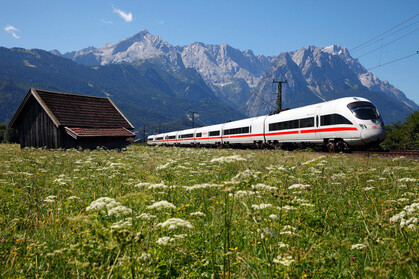
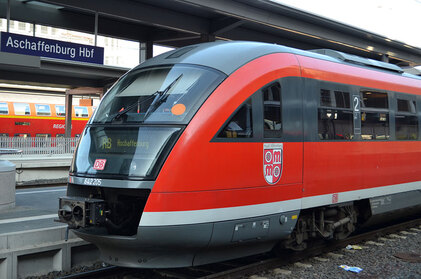
WikipediaImages of the trains for your trip




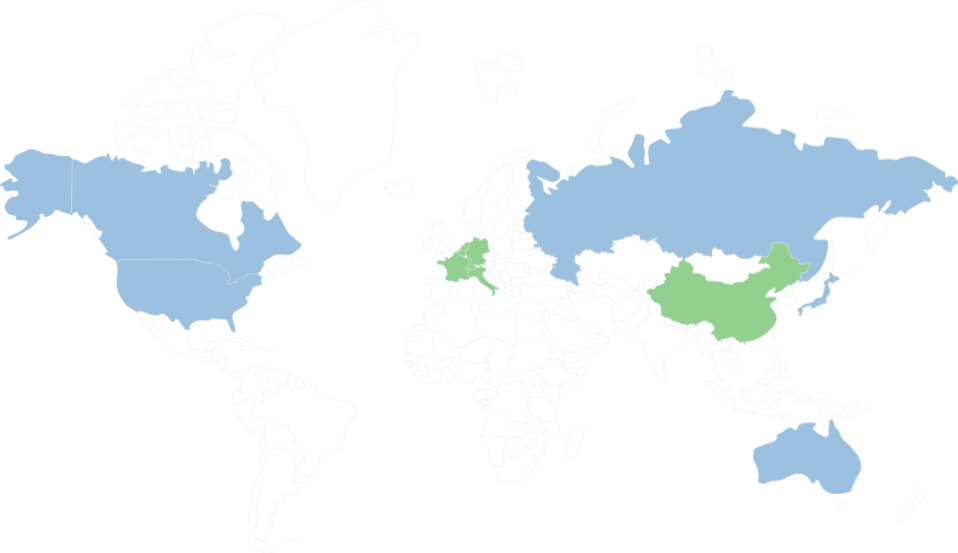
Where Can You Travel With Us?
TAKE A LOOK AT OUR MAP
France
Italy
Netherlands
Luxembourg
Austria
Germany
Belgium
Switzerland
Denmark
Sweden
Norway
Hungary
Czech
Ukraine
China
Active
France, Italy, Netherlands, Luxembourg, Austria, Germany, Belgium, Switzerland, Denmark, Sweden, Norway, Hungary, Czech, Ukraine, China
Upcoming
USA, Canada, Spain, Poland, Japan
Other Train Trips From Celle

Celle Niedersachsen to Creussen Oberfr

Celle Niedersachsen to Arnstadt

Celle Niedersachsen to Sipplingen

Celle Niedersachsen to Porz Wahn

Celle Niedersachsen to Cologne West
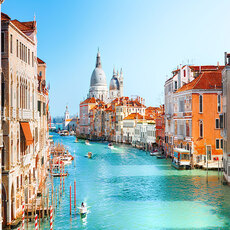
Celle Niedersachsen to Gengenbach

Celle Niedersachsen to Dinslaken

Celle Niedersachsen to Mullheim Baden

Celle Niedersachsen to Grunow Niederlausitz

Celle Niedersachsen to Wetzlar

Celle Niedersachsen to Gunzenhausen

Celle Niedersachsen to Bredelar
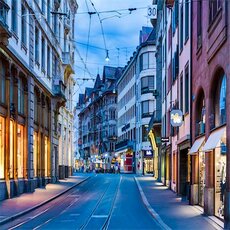
Celle Niedersachsen to Strasskirchen

Celle Niedersachsen to Solingen
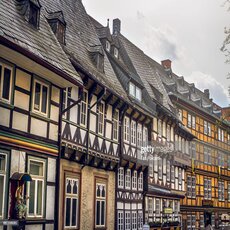
Celle Niedersachsen to Holthusen

Celle Niedersachsen to Siershahn

Celle Niedersachsen to Unterfohring

Celle Niedersachsen to Ratzeburg

Celle Niedersachsen to Baiersdorf

Celle Niedersachsen to Frankenthal

Celle Niedersachsen to Ampfing
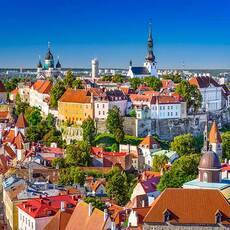
Celle Niedersachsen to Wallau Lahn

Celle Niedersachsen to Guxhagen

Celle Niedersachsen to Niederstetten

Celle Niedersachsen to Bad Berleburg

Celle Niedersachsen to Wasserburg Inn
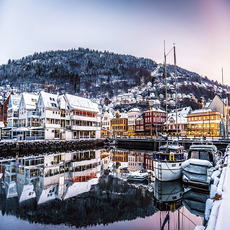
Celle Niedersachsen to Egling

Celle Niedersachsen to Meissen

Celle Niedersachsen to Hilpoltstein

Celle Niedersachsen to Waghausel
WHY YOU SHOULD TRAVEL BY TRAIN?
To travel from Celle To Mannheim, trains would be the best travel choice, for several reasons:
1
Eco-Friendly
Trains are the most environmentally-friendly way of transport to the EU Environment Agency. They are powered by electricity, which is renewable and has a low environmental impact.
2
Speed
Travelling by train is in most cases the fastest way to go from Rome to Milan. Trains usually travel at high speeds, making them the fastest way to get from one place to another.
3
Safety
Travelling by train is one of the safest forms of transport. Trains are heavily regulated and monitored, making them safer than other forms of transport.
4
Price
Travelling by train is often cheaper than other forms of transport, such as flying or taking a bus. Trains are often subsidized by the government, making them cheaper than other forms of transport.
5
Luggage
Travelling by train is a great way to transport luggage. Trains usually have plenty of space for luggage and they are usually safe and secure.
6
Luggage
Travelling by train is often faster than other forms of transport, such as driving or taking a bus. Trains usually travel at high speeds, making them the fastest way to get from one place to another.
7
Comfortability
Travelling by train is usually very comfortable. Trains usually have comfortable seating and plenty of legroom, making them a great way to travel.
8
Comfortability
Travelling by train is a great way to get some sleep. Trains usually have comfortable seats and plenty of legroom, making them a great way to get some rest while travelling.
9
WIFI
This is not necessarily the most important when you travel since we prefer to tell you to enjoy your travel without your phones, but on trains, you can find WIFI onboard, so you remain connected to the internet if you choose to.
THESE ARE THE TRAIN OPERATORS WE WORK WITH